Home/Where we build/Homes built for fire country
Fire-resistant home builder in Los Angeles, built to the code and past it.
Wood frame, structural steel, concrete and insulated concrete forms. Addition Building & Design has built homes to California's wildfire standard for years, and since the fires of January 2025 has ten rebuilds under way across Pacific Palisades, Malibu, Altadena and Brentwood, with the first in Pasadena starting. The same team, the same engineering, the same family on your site.
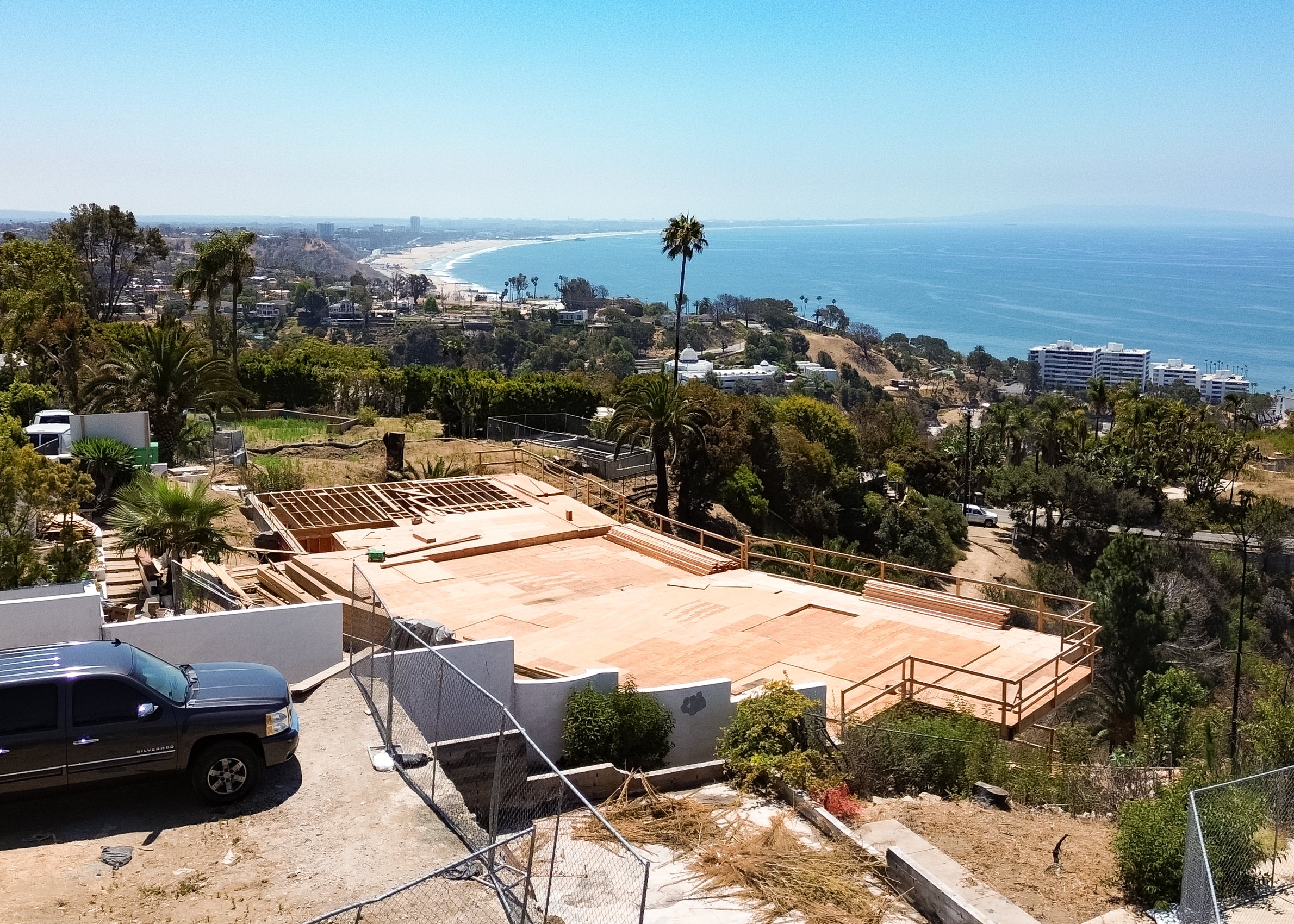
Photograph · a hillside neighborhood from the air, 2026
The standard
The code is the floor. The house is the choice.
Most of the hills and canyons of Los Angeles sit inside the state's very high fire hazard zones, and California's wildland-urban interface standard governs what can be built there: the roof, the walls, the vents, the eaves, the glazing, the deck. It is not optional and it is not new. What is new since the fires of January 2025 is how many families are asking what lies past the code, and whether a house can be built so the next fire finds nothing to take.
No builder can promise that, and you should be wary of one who does. What we can do is show you four ways to build, each one we have used, each priced against your lot, from a hardened wood frame to a house whose walls do not burn. Mike Ross holds the license, settles the design with our design partners, has it engineered by our structural engineers, pulls the permit and walks the site. You choose the standard. We build to it and put it in writing.
Four ways to build
From a hardened frame to walls that do not burn.
Wood frame
The most common residential system in Southern California: Douglas fir and engineered lumber, plywood shear walls and steel hold-downs. Combustible, so in a fire zone it relies on Class A roofing, ignition-resistant siding and ember-resistant vents to meet Chapter 7A. The baseline cost and the fastest to frame.
Structural steel
Moment frames and wide-flange beams for the long spans, cantilevers and walls of glass of modern architecture. Steel does not shrink, warp or burn; it loses strength at very high temperatures, so it is protected or paired with non-combustible cladding. Usually used selectively within a wood or concrete home.
Concrete
Caissons, grade beams and retaining walls are how a hillside home holds its ground, and board-formed concrete has become a finish in its own right. Non-combustible: it does not contribute fuel and shields what is behind it. The highest structural cost, and cure times extend the schedule.
ICF, insulated concrete forms
Interlocking foam blocks stacked, reinforced and filled with concrete: a solid wall wrapped in continuous insulation. One of the most requested systems for fire rebuilds, with the fire and seismic performance of concrete, a quiet and efficient envelope, and a modest premium over wood framing.
Every one of these is finished with the same exterior kit: metal windows and doors, exterior sprinklers where the lot warrants them, and a roof and deck detailed for embers. The system is a design decision we make with you, not a package. The four are compared side by side, with fire, seismic, cost and schedule ratings, on the structural systems page.
The work
Rebuilt, and built to stay.
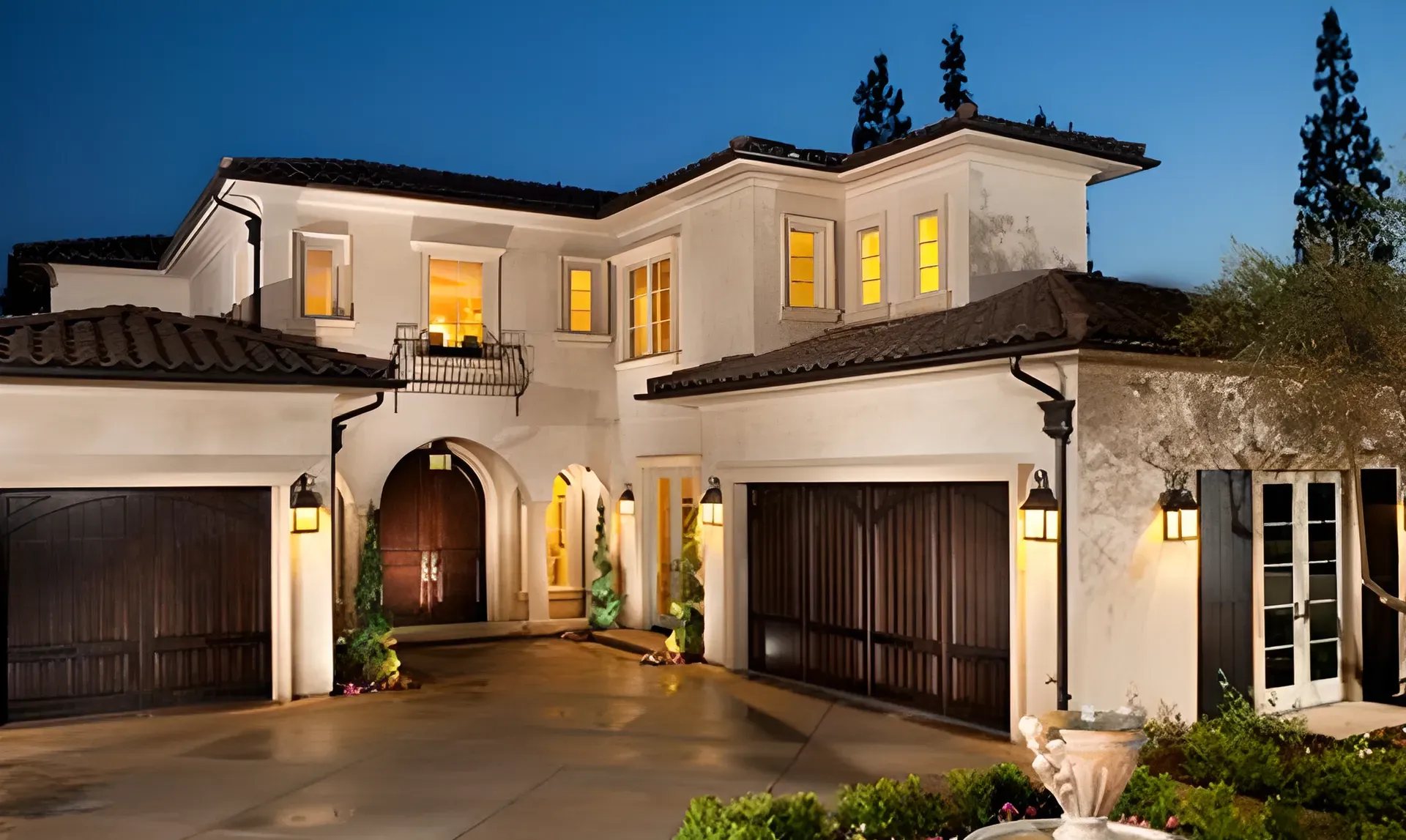
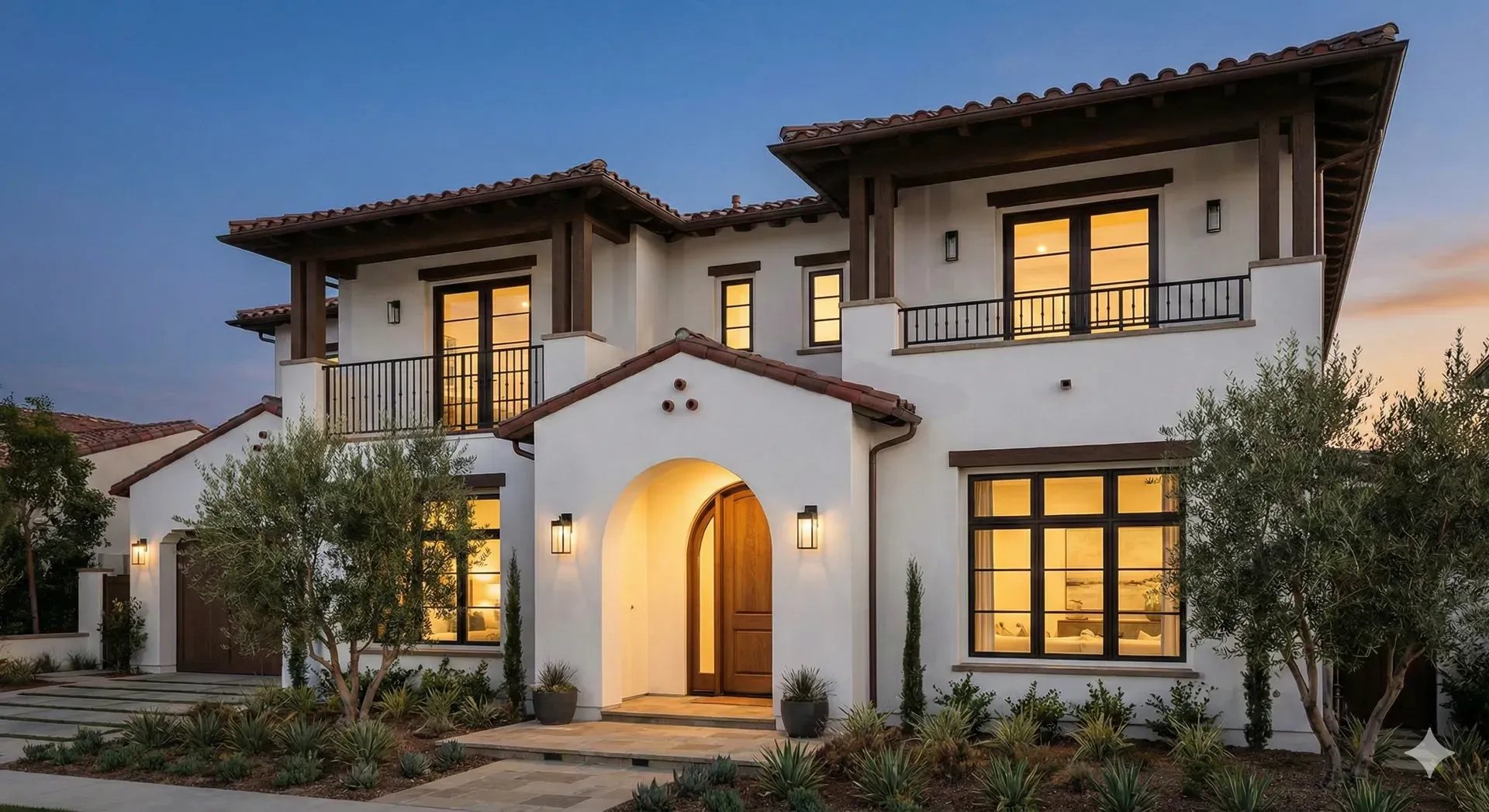
Brentwood, a French custom home
A tear-down rebuild in stone and stucco, boxed eaves and a tile roof: the traditional look, built to the current standard.
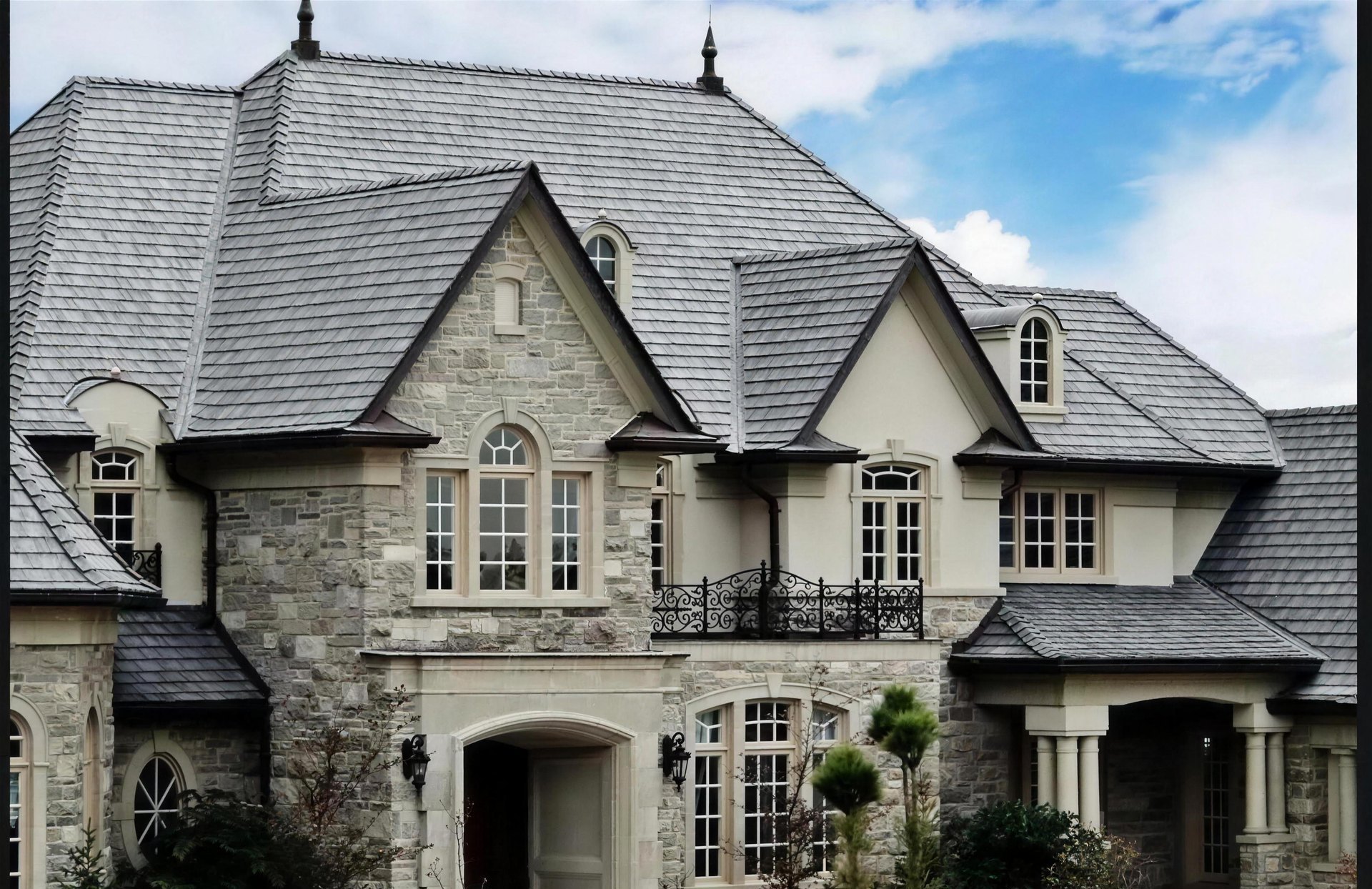
Bel Air, a custom rebuild
Lightweight concrete roof tiles over a hardened frame.
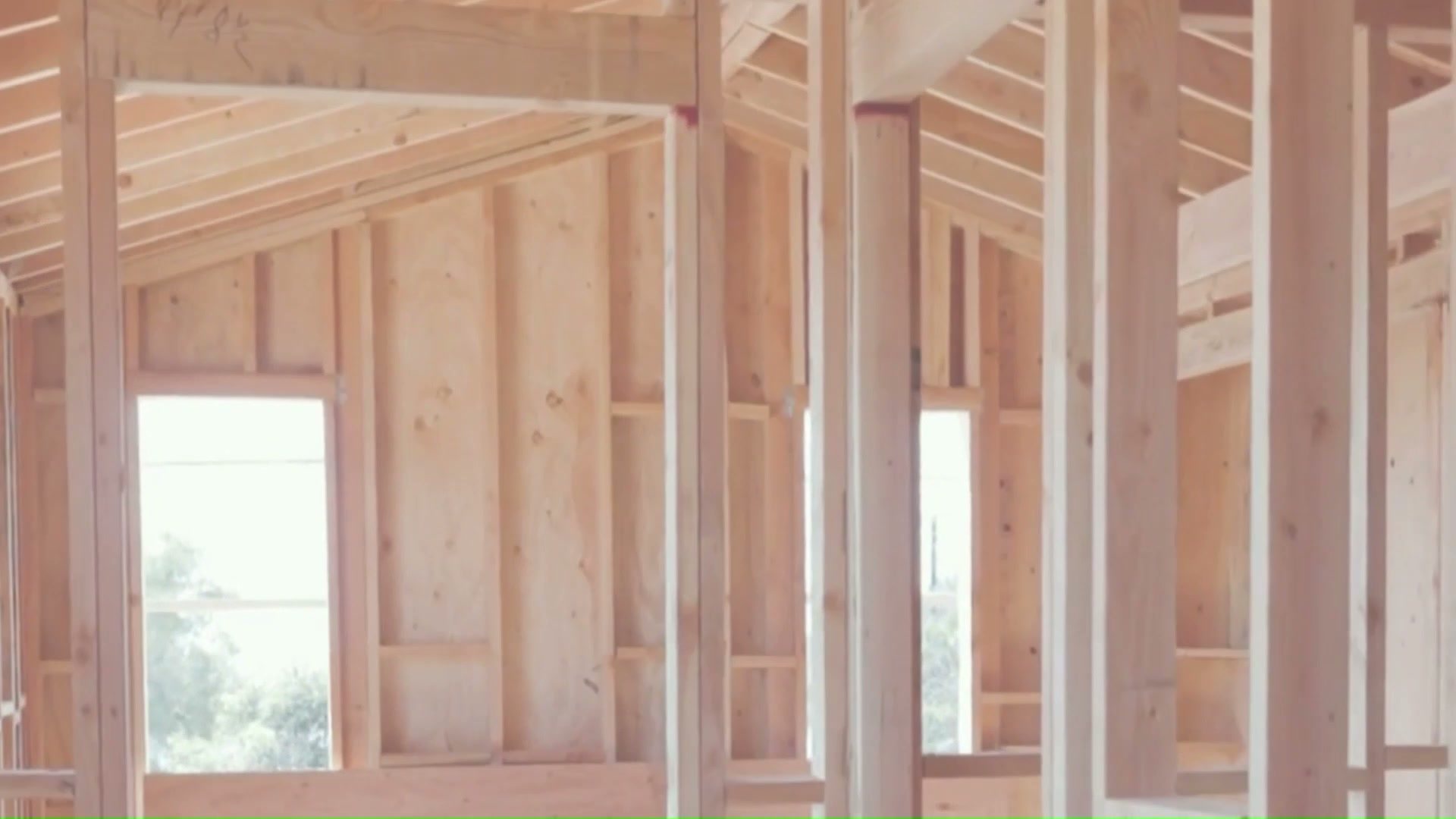
Pacific Palisades, under way
One of five Palisades rebuilds we are running now, framed on the flats below the village.
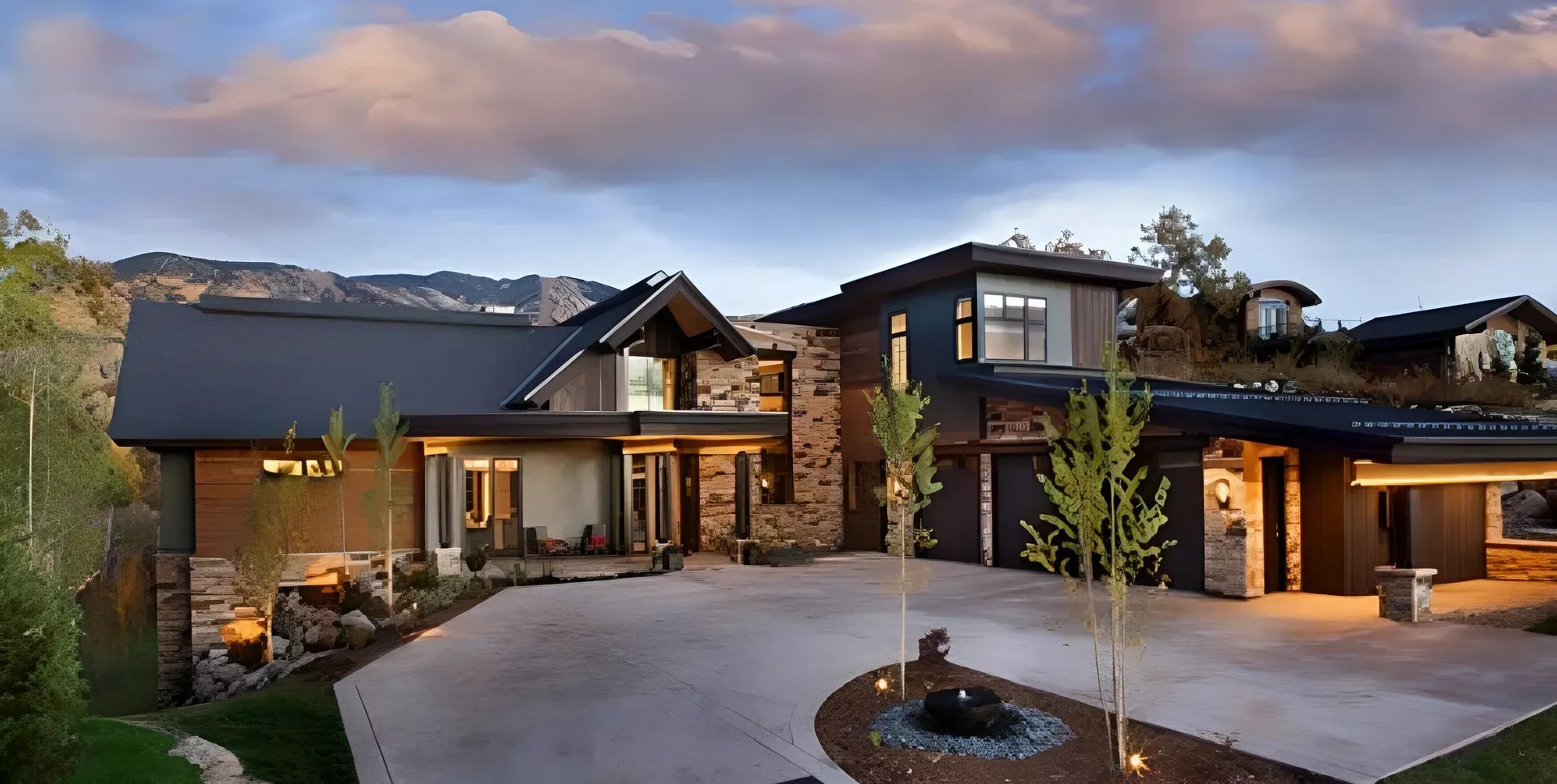
Malibu, a contemporary rebuild
Rebuilt after fire on the same lot: stucco, metal and glass, and a plan that opens to the view.
After a fire
Four fire areas, four permit paths, one standard.
Pacific Palisades
Inside the City of Los Angeles, with a dedicated rebuild path that moves like-for-like designs fastest. Five homes under way with us on the hillside and the flats. Rebuilding in the Palisades.
Malibu
Its own city, a coastal zone, and a rebuild path that runs through the City of Malibu and, near the water, the coastal review. We have built in Malibu before the fire and rebuilt after it. Rebuilding in Malibu.
Altadena
Unincorporated, so the County of Los Angeles holds the permit, with its own recovery path after the Eaton fire. The foothill lots ask for the same standard the coast does. Two homes under way with us. Rebuilding in Altadena.
Pasadena
The Eaton fire crossed into Pasadena's northeast too. Inside the city limits the City of Pasadena holds the permit; on the unincorporated mesa above it, the County does. Our first Pasadena rebuild is starting now. Rebuilding in Pasadena.
A family firm
The people whose name is on the firm, on your site.
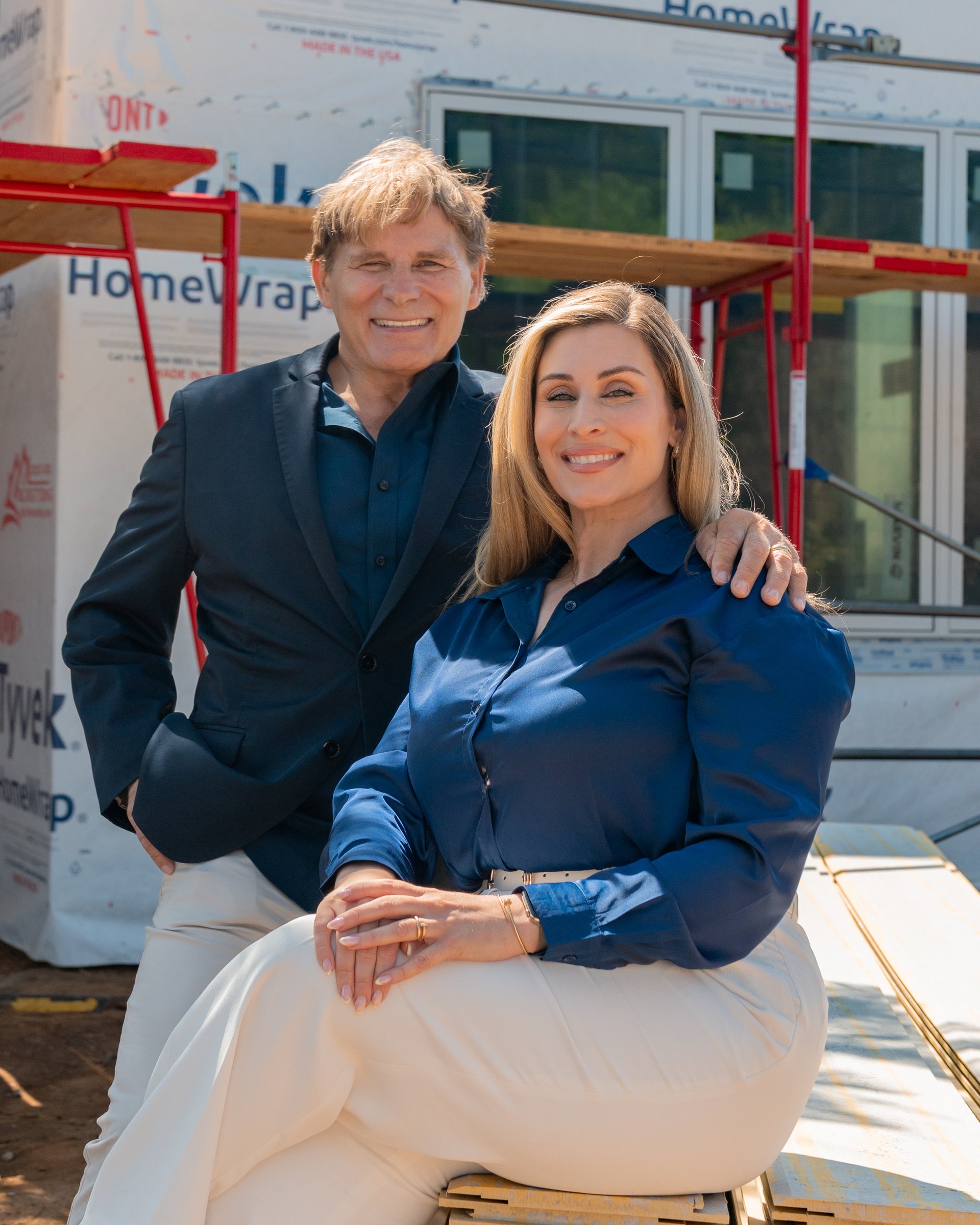
A rebuild is a custom home with a harder first chapter: the survey, the soils, the policy, the path. Mike Ross has been a builder in Los Angeles for four decades and is on the rebuild sites now, from the Palisades to Altadena. Christine Ross runs the business and the claim paperwork beside you. Four to five new projects a year, because that is how many the family can personally be present for. One phone number: 310.617.2722.
Questions families ask us after a fire
The answers you need before you commit.
California's wildland-urban interface standard, Chapter 7A of the building code, sets the floor for homes in the high fire hazard zones: ignition-resistant roofs and exterior walls, ember-resistant vents or no vents at all, enclosed eaves, tempered or multi-pane glazing, and decks detailed so embers find nothing to catch. Every home we build in those zones meets it, and most go past it.
Concrete and steel walls do not burn, so they remove the structure itself from the fuel. A hardened wood frame under fire-rated sheathing, stucco and a metal roof can also meet the code. The right system depends on your design, your budget and how far past the code you want to go, and we price each one against your lot so you can choose.
In its shape, yes, and the like-for-like rebuild paths favor it. In its construction, no. The house that stood before the fire was built to an older code; the one that replaces it is built to the current one, and the code-required upgrades are what your ordinance-and-law coverage exists to pay for. Why the settlement is not the budget.
No builder can promise that, and you should be wary of one who does. What we can promise is the standard it is built to, the assemblies we used and why, and a home that gives a fire far less to take than the one that stood there before.
Ten. Five in Pacific Palisades (three on Paseo Miramar, one each on Swarthmore Avenue and Via de la Paz), two in Malibu, two in Altadena and one in Brentwood, with the first in Pasadena starting. We take on four to five new projects a year on purpose, so the family stays on every site.
Private Consultation
Begin with a conversation.
We take on a select number of significant projects each year. If you are considering a custom estate, a hillside build, or a full transformation, we would be glad to walk the property with you.